Why ESG Programmes Break Down at Execution
Across ESG engagements, failure rarely comes from a lack of strategy.
It comes from fragmentation.
Internal teams are unclear on responsibilities. External stakeholders operate in parallel. Data is scattered across systems that were never designed for shared delivery. Progress depends on manual coordination, follow-ups and informal ownership.
As ESG expands beyond compliance into strategy and operations, these weaknesses become impossible to ignore.
Execution fails not because people do not care, but because the operating environment was never built to support collaboration at scale.
The Hidden Cost of Treating ESG Reports as the Outcome
For many organisations, the ESG report marks the end of a project.
However, it should mark the beginning.
Why? becasue once reporting is complete, ESG initiatives often lose momentum. Ownership becomes unclear. Visibility drops. Consultants step back just as execution complexity increases.
This gap is where most ESG value is lost.
The consultants creating the greatest impact are those who stay involved after reporting, supporting implementation, governance and decision-making as ESG moves into day-to-day operations.
Why the ESG Consulting Model Is Changing
Clients are no longer buying ESG advice in isolation.
They are buying delivery capability as part of the delivery solution..
As ESG becomes embedded into business strategy, organisations expect consultants to operate as part of the delivery ecosystem, not external observers. This means working alongside internal teams, supporting execution and helping govern outcomes over time.
This shift is reshaping ESG consulting into a model built on:
- Embedded delivery rather than episodic advice
- Shared accountability rather than handover
- Continuous oversight rather than periodic engagement
Advisory is still essential, but it is no longer sufficient on its own
Execution Requires a Shared Delivery Environment
Execution-led ESG delivery cannot be sustained through spreadsheets, inboxes and disconnected tools.
It requires a shared operational environment where consultants, clients and stakeholders can work together with clarity, accountability and visibility.
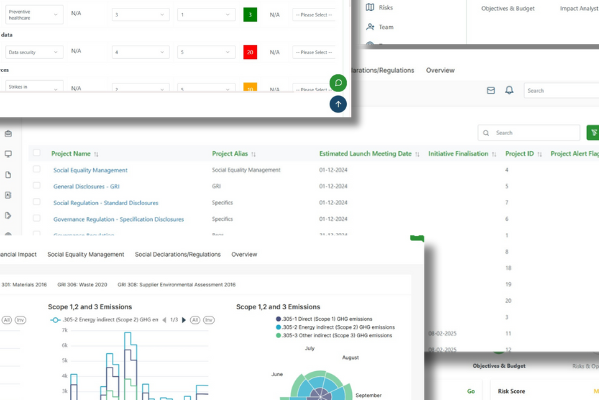
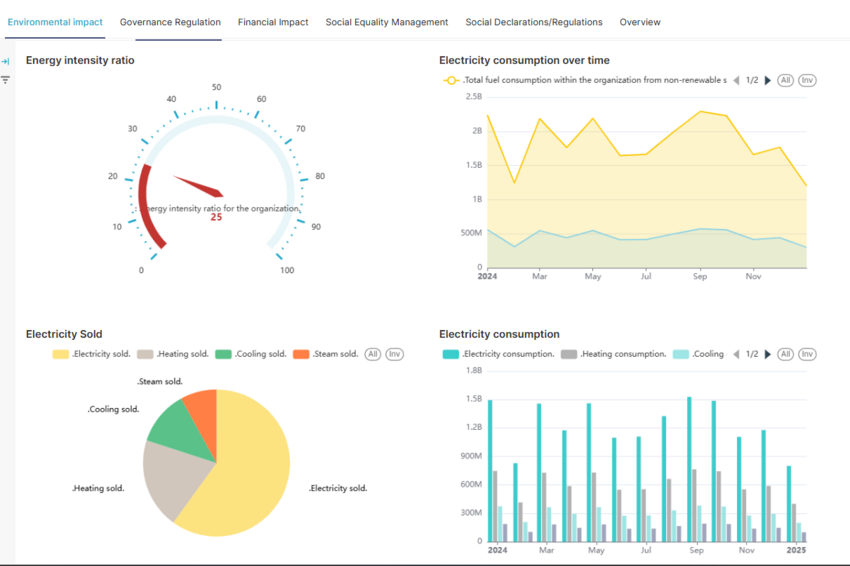
Platforms like myConsole provide the infrastructure that allows ESG delivery to happen collaboratively, securely and at scale. They support workflows, governance, data capture and oversight without removing consultants from the centre of the engagement.
The platform does not replace expertise. It allows that expertise to operate effectively inside complex organisations.
Designed to Support How Consultants Actually Deliver ESG
Sustainability consultants need delivery models that are:
- Easy for clients to adopt
- Structured without being rigid
- Scalable across multiple engagements
- Secure and governance-ready
By enabling consultants to configure delivery environments, provide clients with controlled access and standardise repeatable processes, execution becomes easier to manage and harder to derail.
This creates confidence for both consultants and clients as ESG moves from ambition to action.
.png)